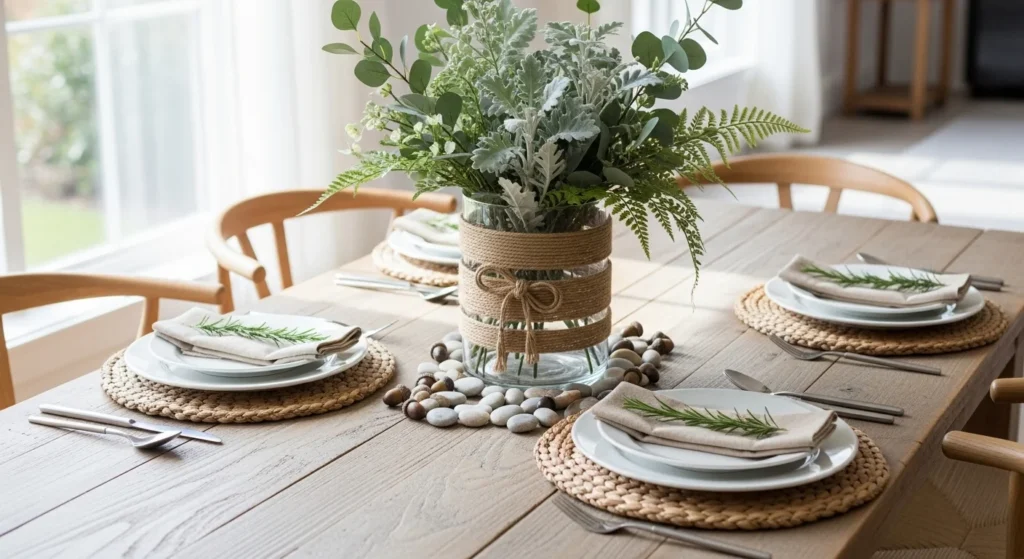
A great centerpiece can instantly change the mood of a table. It draws the eye, sets the tone, and makes everyday spaces feel intentional. The best part? You don’t need expensive items or complicated projects. With a few DIY decor ideas and some simple styling rules, you can create centerpieces that feel personal, practical, and easy to update.
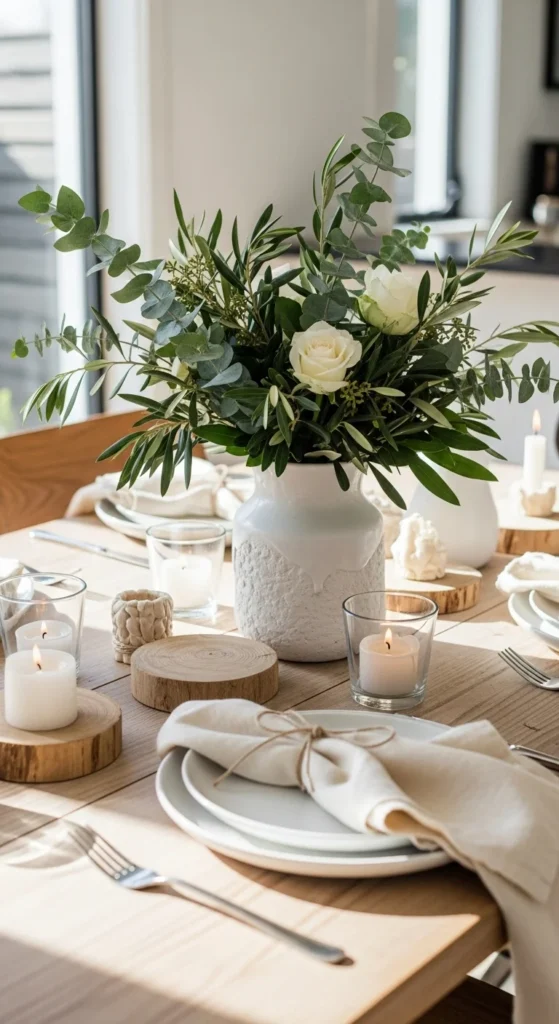
This guide will walk you through how to create centerpieces using DIY decor ideas that work for daily styling, casual gatherings, and everything in between.
Start With the Purpose of Your Centerpiece
Before making anything, decide how the table is used. A centerpiece should enhance the space, not get in the way.
Ask yourself:
- Is this for everyday use or occasional gatherings?
- Does the table need to stay mostly clear?
- Should the centerpiece be easy to move?
Everyday centerpieces work best when they’re low-profile and flexible. Keeping function in mind helps you avoid designs that feel bulky or impractical.
Choose a Simple Base to Build On
Every centerpiece needs a base that anchors the design. DIY bases are affordable and easy to customize.
Great base options include:
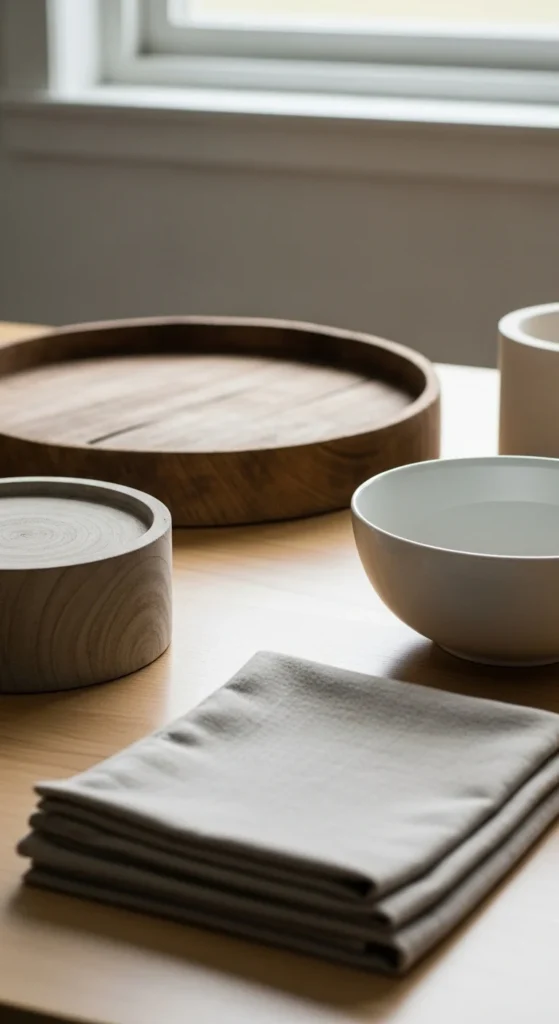
- A shallow wooden tray
- A low bowl or handmade platter
- A simple runner or fabric mat
Stick to neutral colors and natural materials. These make it easier to layer decor without overwhelming the table.
Create Height Without Blocking the View
One of the biggest mistakes with centerpieces is going too tall. Height adds interest, but it should never block conversation or sightlines.
Try these ideas:
- Use low vases with greenery or dried stems
- Group items of varying but moderate height
- Stack books or boxes to lift smaller decor slightly
Aim for gentle height variation rather than dramatic contrast. This keeps the centerpiece visually interesting and table-friendly.
Mix Textures for a Collected Look
Texture is what makes DIY centerpieces feel rich and layered. Even simple items feel special when different textures work together.
Combine elements like:
- Smooth ceramic with rough wood
- Soft fabric with hard surfaces
- Matte finishes with subtle shine
Texture adds depth without needing bold colors or busy patterns.
Use Greenery to Bring Everything Together
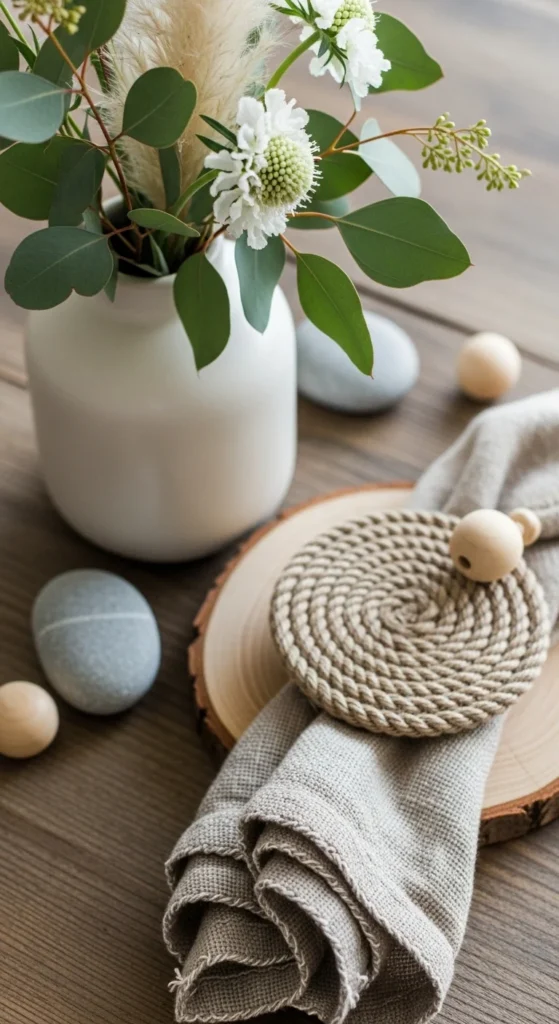
Greenery is one of the easiest ways to make a centerpiece feel fresh and alive. You don’t need a lot—just one or two pieces can make a big difference.
Easy options include:
- Small potted plants
- Trailing greenery placed inside a tray
- Dried stems in handmade vases
Greenery softens hard edges and blends beautifully with DIY decor.
Keep the Color Palette Simple
A limited color palette helps DIY centerpieces feel intentional rather than random.
A simple formula:
- Choose one main neutral tone
- Add one soft accent color
- Use texture instead of extra colors for interest
This approach makes it easier to reuse the same centerpiece across seasons and settings.
Group Items Instead of Spreading Them Out
Centerpieces look best when items are grouped rather than scattered. Grouping creates a clear focal point and keeps the table looking organized.
Try this method:
- Arrange decor in odd-numbered groups
- Keep items close enough to feel connected
- Leave open space around the group
This makes the centerpiece feel styled while still allowing room for daily use.
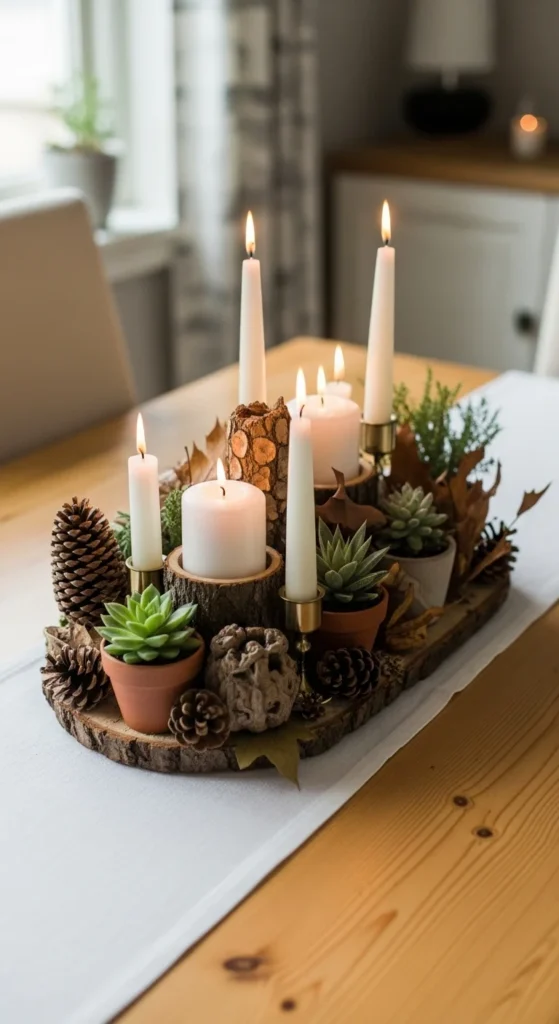
Make Your Centerpiece Easy to Move
For everyday life, flexibility matters. A good DIY centerpiece should be easy to lift and relocate.
Design with this in mind:
- Use trays to hold multiple items together
- Avoid heavy or fragile materials
- Keep the footprint compact
This makes it simple to clear the table quickly when needed.
Refresh Centerpieces With Small Changes
You don’t need to rebuild your centerpiece every time you want a new look. Small swaps can make it feel fresh again.
Easy refresh ideas:
- Change greenery types
- Swap fabric elements
- Rotate handmade decor pieces
Minimal designs are easier to update and never feel outdated.
Edit for a Clean, Finished Look
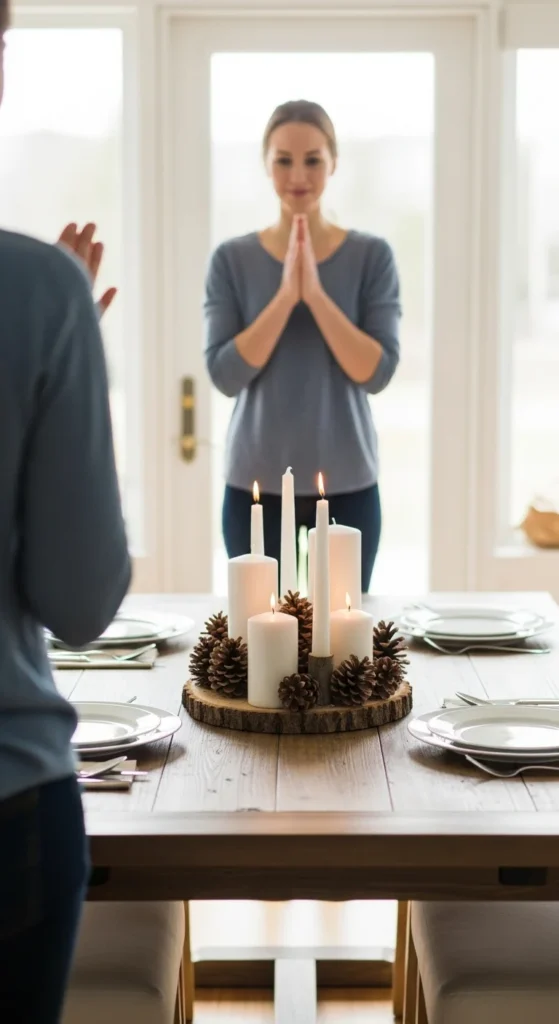
Once your centerpiece is assembled, step back and assess it from a distance.
Ask yourself:
- Does it feel balanced?
- Is anything unnecessary?
- Does it fit the table size?
Removing one item often improves the overall look. Editing is key to polished styling.
Final Takeaway
Creating centerpieces using DIY decor ideas is about simplicity, balance, and thoughtful layering. You don’t need expensive materials or complex designs—just a clear purpose, a cohesive palette, and pieces that work together.
Start small, trust your eye, and keep things flexible. Save this guide for later and come back whenever your table needs a fresh, easy update that still feels special.