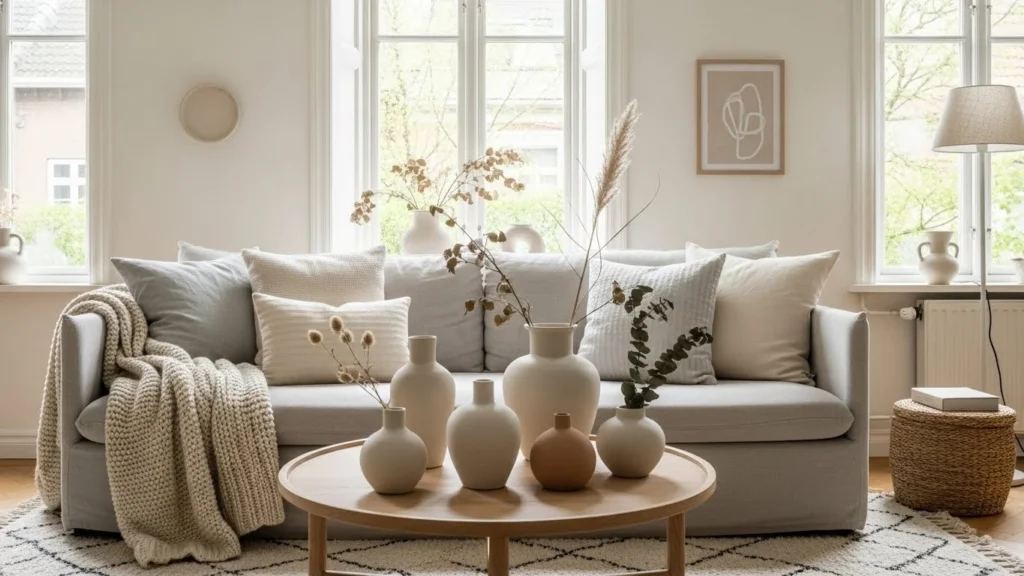
You don’t need a designer budget to create a home that looks polished, stylish, and expensive. With the right techniques, materials, and a little creativity, DIY home decor can look just as refined as pieces from high-end stores—sometimes even better. The secret isn’t complicated skills; it’s knowing what details matter most.
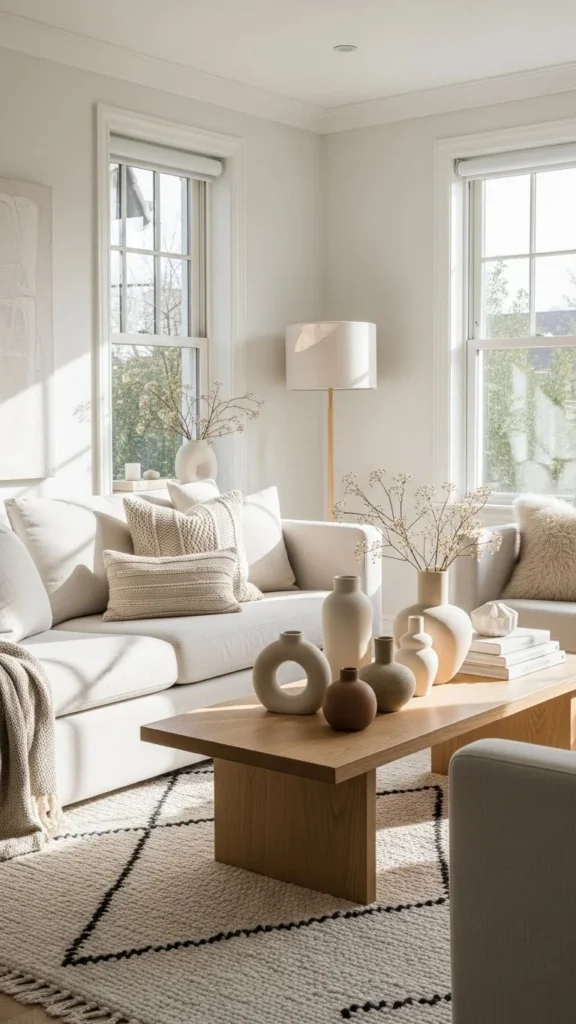
If you’ve ever looked at your DIY project and thought, “This still looks homemade,” this guide is for you. Let’s walk through practical, beginner-friendly steps that elevate your decor instantly.
Start With a Store-Inspired Vision
Before you pick up a paintbrush or glue gun, take a moment to get clear on the look you’re going for. Store-bought decor almost always follows a cohesive design style.
Ask yourself:
- Do I love modern, farmhouse, boho, or minimalist spaces?
- Am I drawn to neutral tones or bold accents?
- Do I prefer clean lines or organic shapes?
Create a small inspiration board using saved images. Pay attention to:
- Color palettes (usually 2–3 main colors)
- Repeated materials like wood, ceramic, linen, or metal
- Simple shapes rather than overly detailed designs
This step alone prevents your DIY from looking random or cluttered.
Choose Materials That Instantly Elevate the Look
One of the biggest differences between cheap-looking DIYs and store-quality decor is material choice. Even simple designs look expensive when the materials feel intentional.
Opt for:
- Natural wood instead of plastic
- Glass, ceramic, or stone over lightweight alternatives
- Linen, cotton, or canvas fabrics
- Matte finishes rather than glossy ones
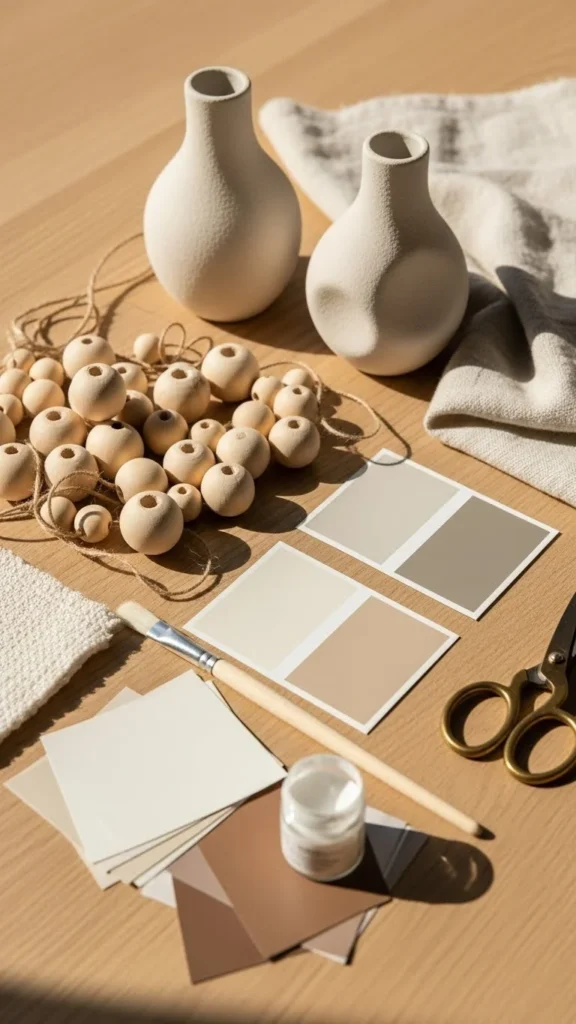
You don’t need to spend a lot—many craft or dollar stores carry these items. The key is choosing fewer pieces with better texture and weight.
Master the Power of Neutral Colors
High-end decor rarely relies on loud colors. Instead, it uses soft neutrals and lets texture do the talking.
Popular store-inspired shades include:
- Warm white
- Beige and sand tones
- Soft gray
- Muted sage or clay
When painting DIY items:
- Use thin, even coats
- Lightly sand between layers
- Finish with a matte or satin sealant
This creates a smooth, professional surface that mimics factory-finished decor.
Keep Designs Simple and Intentional
When it comes to DIY decor, less is more. Over-designing is one of the fastest ways to make something look homemade.
Instead of:
- Too many embellishments
- Busy patterns
- Multiple competing colors
Focus on:
- One strong design element
- Clean lines
- Balanced proportions
For example:
- A plain vase with subtle texture
- A wooden tray with smooth edges
- Wall art with negative space
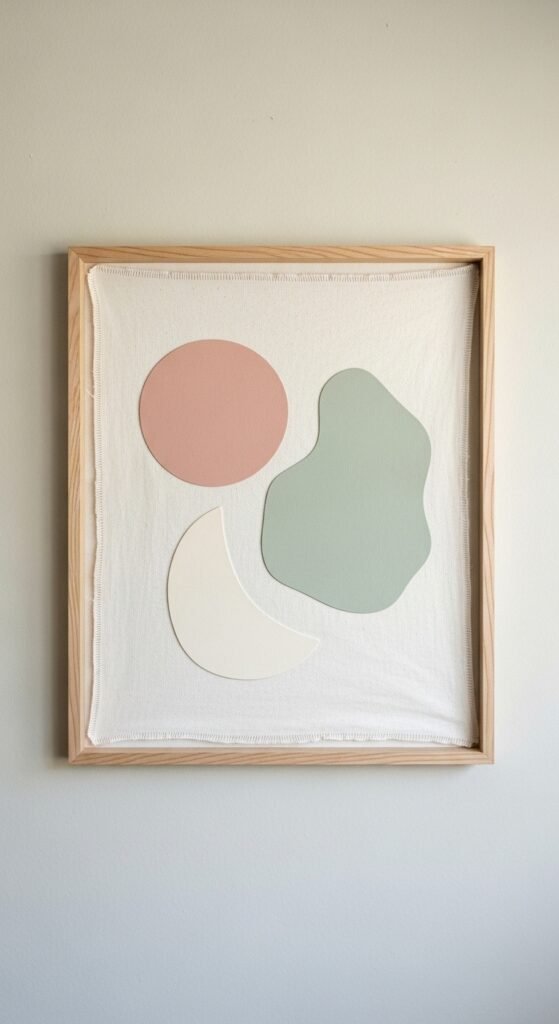
Simple designs photograph beautifully and blend effortlessly with store-bought pieces.
Pay Attention to Finishing Details
This is where DIY projects truly level up. Store-bought decor always has polished finishes, and your DIY should too.
Small details that make a big difference:
- Smooth edges and corners
- Hidden glue spots
- Even paint coverage
- Proper drying time between steps
Take an extra 10–15 minutes to:
- Wipe off dust before sealing
- Touch up uneven areas
- Let items cure fully before styling
These finishing touches are often what separate amateur from professional-looking decor.
Style Your DIY Like a Pro
Even the most beautiful DIY can look underwhelming if it’s not styled well. Stores spend a lot of time creating intentional displays, and you can do the same at home.
Styling tips:
- Group items in odd numbers (3 or 5 works best)
- Mix heights and shapes
- Leave breathing space—don’t overcrowd surfaces
Use everyday items like:
- Stacked books
- Small plants
- Candles or bowls
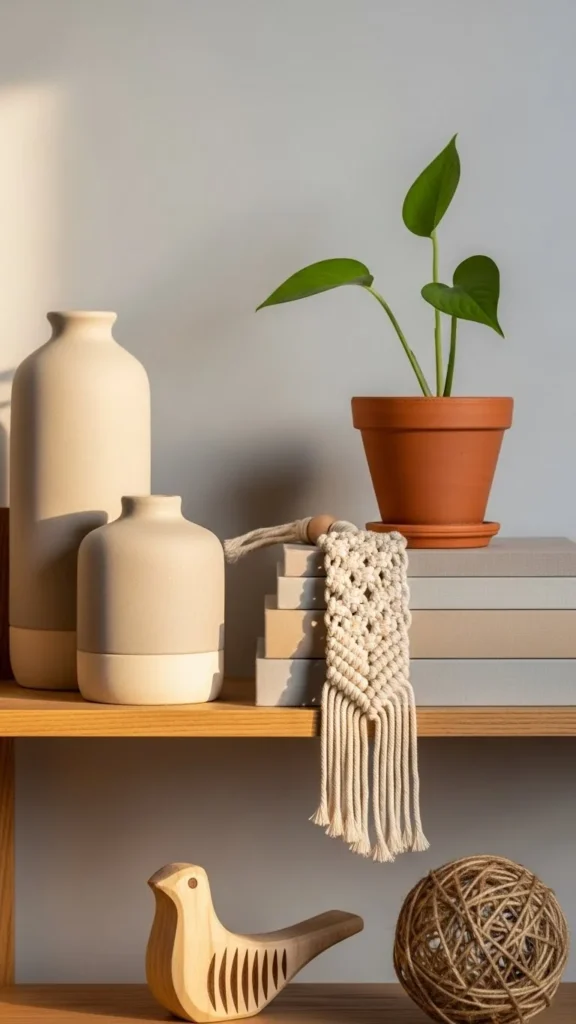
Think of your DIY as part of a scene, not a standalone object.
Repeat Elements for a Cohesive Look
One trick stores use is repetition. When similar colors, materials, or shapes appear throughout a space, everything feels intentional.
You can repeat:
- The same paint color across multiple projects
- Similar textures in different rooms
- Matching wood tones or finishes
This creates a “designed” look, even if each piece was made separately.
Final Thoughts: DIY Can Look Expensive—If You Let It
Making DIY home decor that looks store-bought isn’t about perfection. It’s about thoughtful choices, simple designs, and careful finishing. When you slow down and focus on quality over quantity, your handmade pieces can rival anything from a decor store.
Start small. Try one project. Apply these tips. Then watch how confident you feel creating decor that truly looks high-end.
✨ Save this guide for later and start transforming your home—one DIY at a time!