
Journaling turns scattered thoughts into clarity. Many people want to write daily but face the blank page problem. The right journal ideas remove pressure and make writing simple. Short prompts, playful formats, and habit-friendly routines help writing feel natural instead of forced. These ideas focus on real life. They are affordable, flexible, and easy to repeat. You can use any notebook, scrap paper, or digital app. Pick one idea, write for five minutes, and build momentum from there.
1. Gratitude Snapshot Lists

Gratitude lists work because they are simple. Write three things you feel grateful for today. Keep entries short. One sentence each is enough.
This idea removes pressure. You don’t need big life events. Small moments count. A good meal. A message from a friend. Quiet time.
Use a cheap notebook or planner margin. Add stickers if you like visuals. This keeps journaling fun.
Try a weekly twist. Pick a theme like people, places, or small comforts. Themes prevent repetition.
Budget tip: reuse old notebooks. Gratitude pages do not require fancy supplies.
When motivation feels low, gratitude lists are a reliable starting point. They warm up your thinking.
Over time, these pages become a positive memory archive. Reading old entries shifts perspective.
Keep it quick. Keep it honest. Consistency matters more than length.
2. Morning Intention Pages

Morning intention pages guide your day before distractions appear. Write how you want to feel. Write one priority. Write one small action.
This structure keeps writing short and useful. No long paragraphs required.
Use bullet points. Many people stay consistent when writing feels quick.
A simple formula works: feeling, focus, action. Example: calm, finish task, take a walk.
Budget idea: keep a tiny notebook near your bed. Convenience increases habit success.
You can pair this with a daily checklist. Journaling and planning work well together.
Some days you will write only one line. That still counts.
Morning pages create direction. They reduce decision fatigue.
Over time, you notice patterns. You see what days feel good and why.
3. Daily Wins Tracker
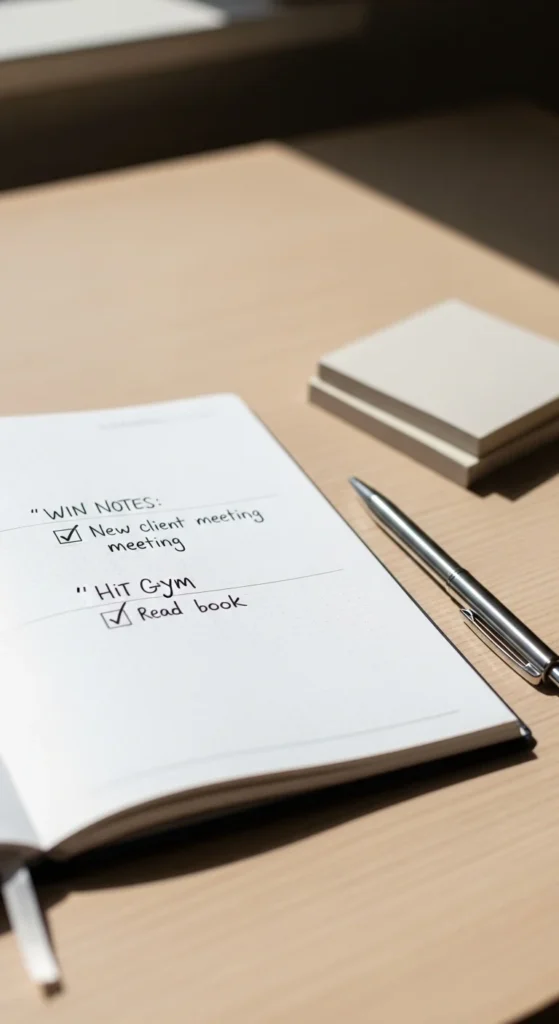
Track three wins each day. Wins can be small. Finished a task. Sent a message. Cooked dinner.
This idea builds motivation quickly. It shows progress you usually ignore.
Use checkboxes to make it visual. Visual progress keeps people consistent.
If a day feels unproductive, look harder. Wins still exist.
Budget tip: create a simple template with a ruler. No printable required.
Weekly review adds value. Highlight repeating wins. That shows strengths.
Daily wins journaling helps confidence grow gradually. It shifts focus from perfection to progress.
Keep entries short. One line works.
Reading a month of wins is powerful. It shows effort clearly.
4. “No Rules” Free-Write Sessions

Free-writing removes pressure completely. Set a timer for five minutes. Write without stopping.
Grammar does not matter. Structure does not matter. Thoughts can be random.
This idea helps when your mind feels crowded. Writing clears mental noise.
Use scrap paper if you worry about wasting notebooks. Cheap paper works perfectly.
Try writing questions instead of statements. Questions create momentum.
If you get stuck, write “I don’t know what to write” repeatedly. Words usually follow.
Free-writing supports creativity and emotional clarity.
Many people discover ideas for projects or decisions through this practice.
Keep sessions short to avoid resistance.
The goal is movement, not perfection.
5. Future-Self Letters
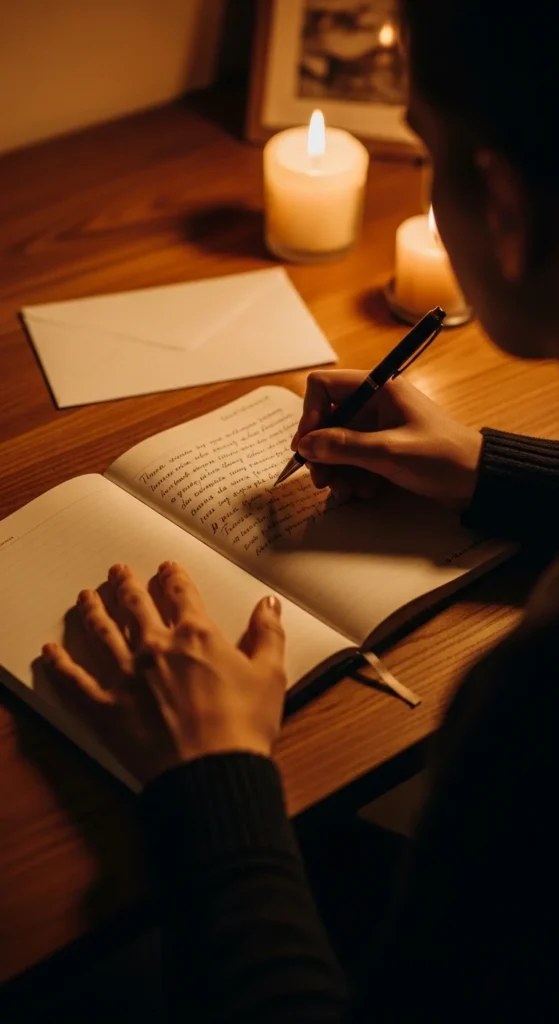
Write a letter to your future self. Pick a timeline. One month. One year. Five years.
Describe your current life honestly. Write hopes and questions.
This idea builds awareness and direction. It connects present actions with long-term growth.
You do not need fancy stationery. Any notebook works.
Add a reminder in your calendar to reread the letter later. Reflection is powerful.
You can also write from your future self back to today. This creates clarity about priorities.
Keep tone supportive, not critical.
Future letters become meaningful checkpoints.
They show growth clearly over time.
6. Sensory Day Reflections

Write about what you saw, heard, smelled, touched, and tasted today.
This idea strengthens mindfulness. It brings attention to everyday details.
Short bullet points work well. No long storytelling required.
Sensory journaling works great after walks. Nature makes entries richer.
Budget tip: combine this with phone photos. Print occasionally and tape inside.
This format prevents repetitive journaling. Each day feels different.
It also improves descriptive writing naturally.
If days feel routine, sensory focus makes them more interesting.
Try weekly themed senses like sound week or texture week.
7. Challenge Reframe Pages
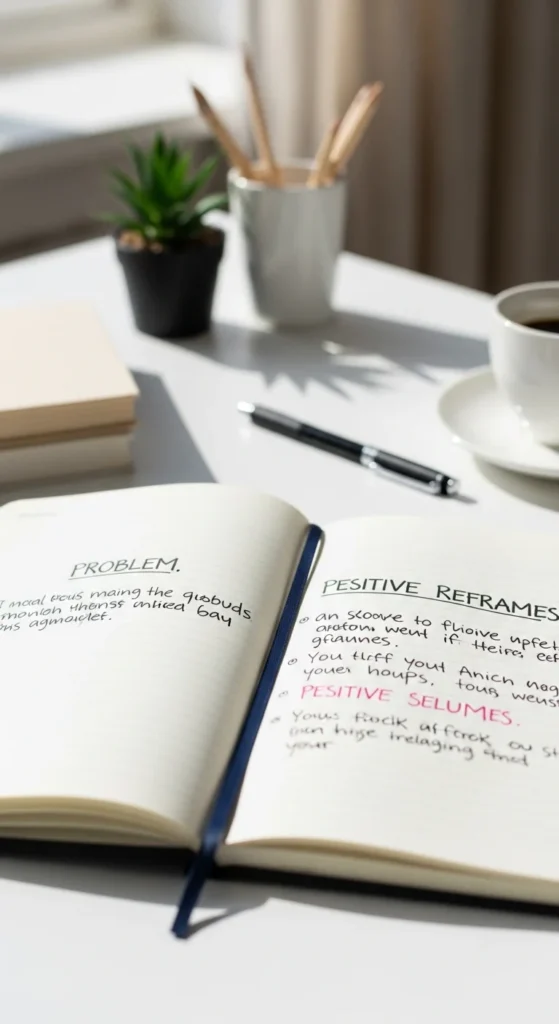
Write one challenge. Then write three possible opportunities hidden inside it.
This idea builds mindset flexibility. It changes how you view setbacks.
Keep structure simple: problem → lesson → next action.
Use two columns for clarity.
Budget idea: draw lines manually. No planner required.
Reframing pages are useful during stressful periods. They slow reactive thinking.
You do not need perfect answers. Possibilities are enough.
Over time, this habit makes problem-solving feel calmer and more practical.
8. Question of the Day

Write one question daily and answer it. Keep answers short.
Questions create direction. They remove blank page stress.
Examples: What made today easier? What mattered most? What did I avoid?
This format works well for busy schedules. One question equals one entry.
Budget tip: create a list of 30 questions once. Reuse it monthly.
Questions reveal patterns faster than long journaling.
They help decision-making become clearer.
Over time, answers show personal growth.
9. Five-Minute Brain Dump

Write everything on your mind quickly. No structure.
Brain dumps reduce mental clutter. They create relief.
After writing, circle important items. This turns journaling into planning.
Cheap notebooks work best because there is no pressure.
Use this before sleep or before work.
Brain dumps make overwhelming days manageable.
10. Object Storytelling Pages

Pick one object near you. Write a story about it.
This idea builds creativity without pressure.
Objects provide endless prompts. Keys, cups, bags.
Short fictional entries keep journaling fun.
Budget tip: use junk journal scraps.
11. Mood Tracker Notes
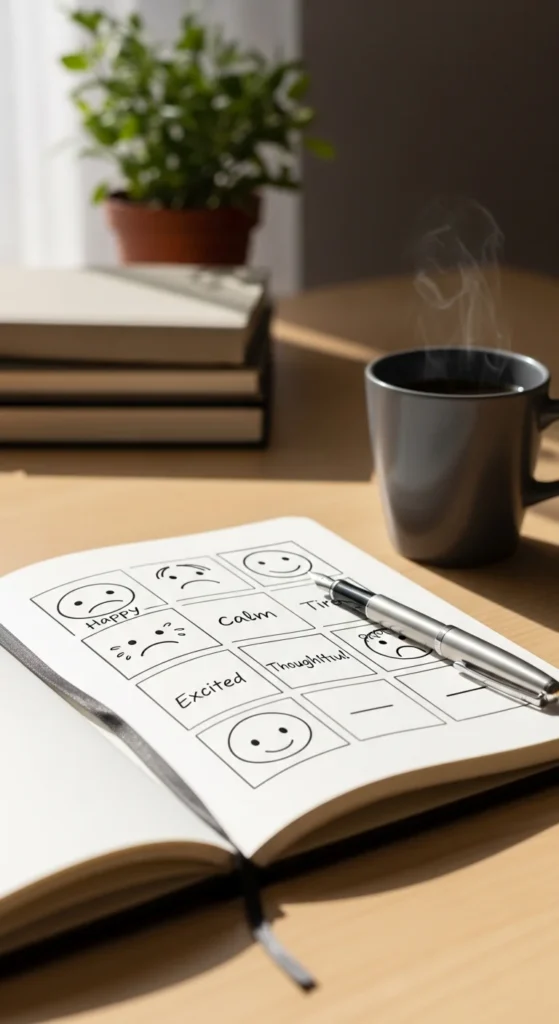
Track mood with one word daily.
Add a short reason.
Patterns appear quickly.
This helps emotional awareness.
12. Micro Memory Logs

Write one tiny memory daily.
Moments become meaningful later.
Short entries reduce pressure.
This builds a memory archive.
13. Affirmation Rewrite Pages
Write an affirmation. Rewrite it in your own words.
Personal wording feels more real.
Keep entries short.
Repeat weekly.
14. Weekly Reset Pages
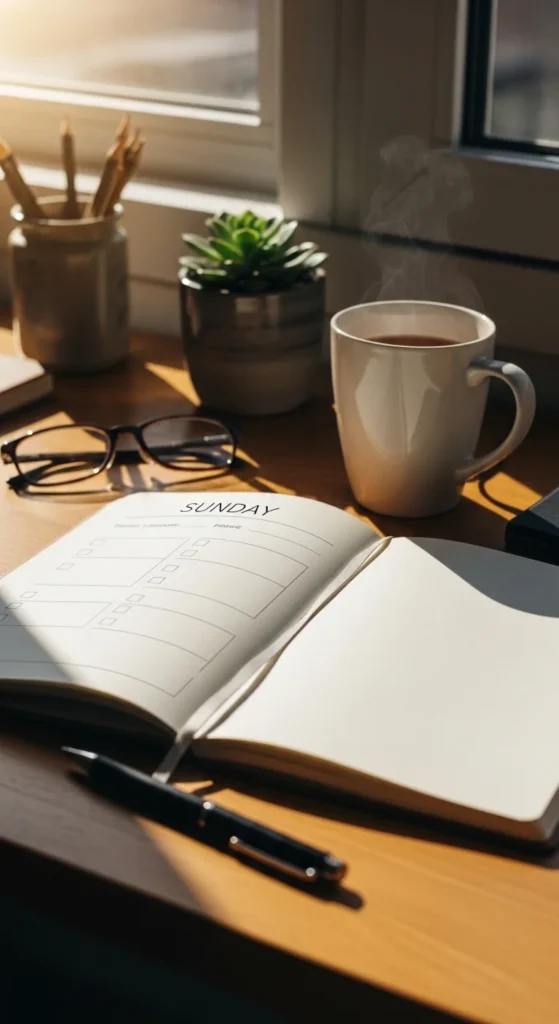
Reflect on the week. What worked. What felt heavy.
Write one change for next week.
This keeps journaling practical.
15. Dream Fragments Log

Write dream fragments after waking.
Short phrases work.
Dream journaling builds creativity.
No long writing required.
16. Conversation Reflection Pages

Write about one conversation.
What stood out. What you learned.
This improves communication awareness.
Short entries work best.
17. Idea Parking Lot Pages

Store random ideas here.
No pressure to act.
This prevents forgetting ideas.
Cheap notebooks work perfectly.
18. Sensory Walk Notes

Write after a short walk.
List details you noticed.
This supports mindfulness.
Entries stay short.
19. One Lesson Per Day
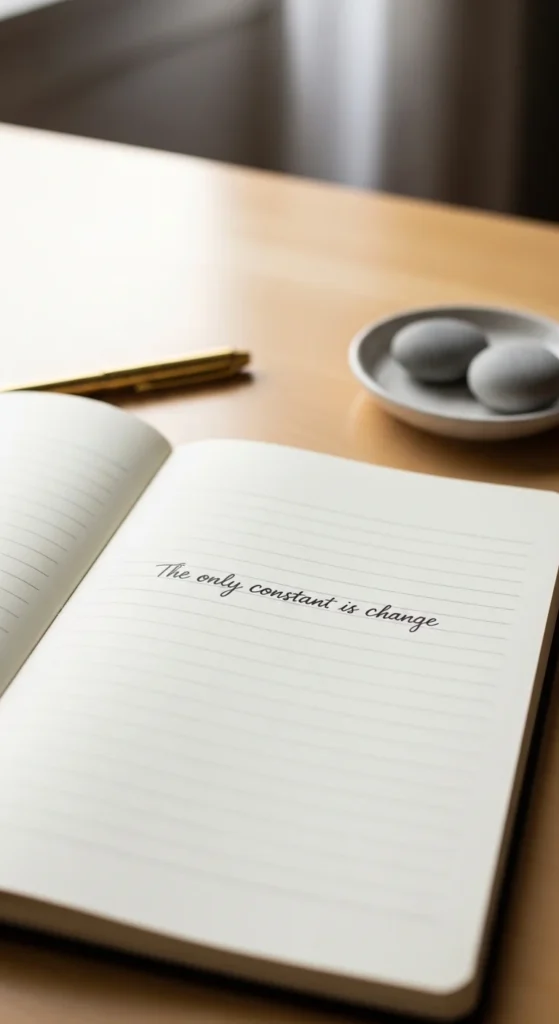
Write one lesson daily.
Small lessons count.
This builds self-awareness.
Short format works.
20. Evening Closure Pages

Write three lines before sleep. What happened. What mattered. What tomorrow looks like.
This creates mental closure.
Short entries make consistency easier.
Evening pages calm busy thoughts.
21. Photo Reflection Pages

Choose one photo from your day. Print it or view it on your phone. Write a few lines about the moment.
Photos make journaling easier because the memory already exists. You only describe thoughts and feelings.
Keep reflections short. What happened. Why it mattered. What you noticed later.
Budget tip: print small black-and-white photos at home. Or sketch the photo instead.
This idea works well for people who like visual memory keeping. It turns journaling into storytelling.
Over time, photo pages become a life timeline. They feel personal and meaningful without long writing.
22. Energy Check-In Pages

Rate your energy from 1 to 10. Then write one reason.
Energy tracking helps you understand productivity patterns. It shows when you feel focused or drained.
Keep it simple. Number plus one sentence.
Budget idea: draw a weekly energy chart manually. No planner required.
After a few weeks, patterns appear. Sleep, routines, and habits become clearer.
This idea is practical and quick. Perfect for busy days.
23. “Three Things” Reflection
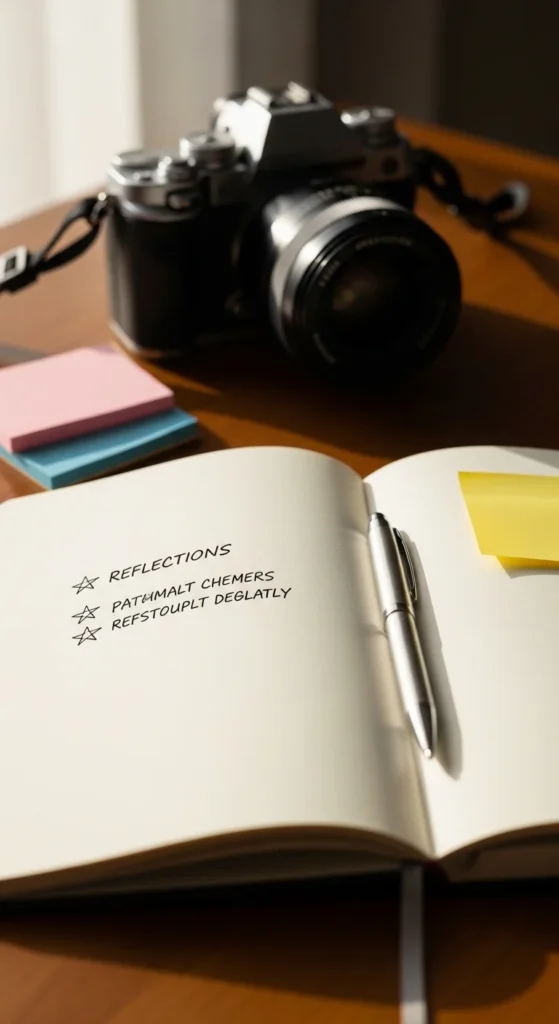
Write three things: something you learned, something you enjoyed, something you want tomorrow.
This format balances reflection and planning. It prevents overthinking.
Entries stay short. Bullet points work best.
Budget tip: create a reusable template with a ruler.
This idea works daily or weekly. It keeps journaling structured without feeling rigid.
Reading past entries shows growth clearly.
24. Fear to Action Pages
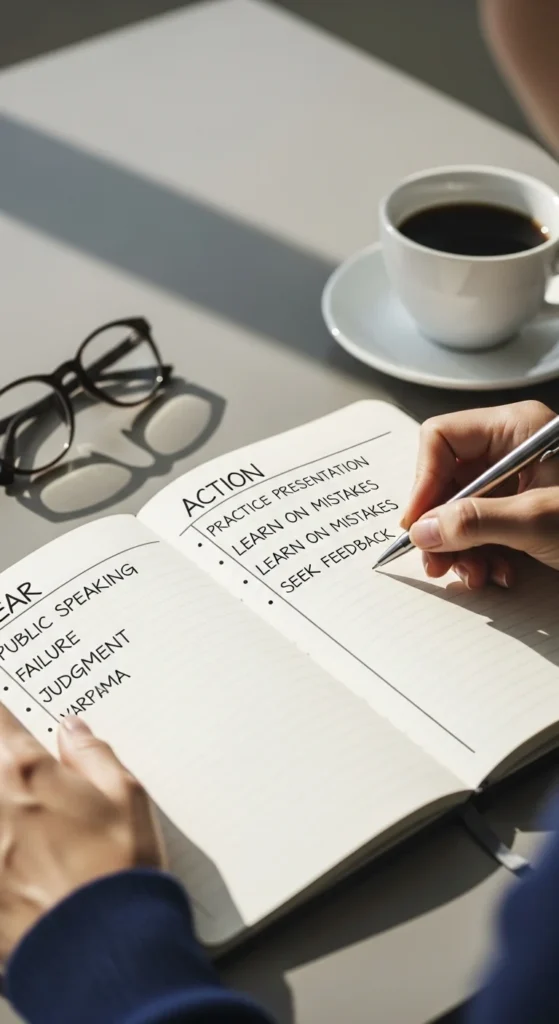
Write one fear. Then write one small action you can take.
This idea turns journaling into progress. It reduces avoidance.
Keep actions realistic. Small steps work better than big plans.
Budget idea: reuse the same page layout weekly.
Fear pages help decision-making feel calmer. Writing creates distance from anxious thoughts.
Over time, you see fears shrink as actions repeat.
25. Tiny Creative Writing Prompts

Write a 5-sentence story. Nothing longer.
Short creative writing removes pressure. It keeps journaling playful.
Use random prompts like a stranger, a rainy day, or a lost note.
Budget tip: write prompts on paper scraps and pick randomly.
Creative pages make journaling enjoyable instead of routine.
They also build imagination and storytelling confidence.
26. Habit Reflection Pages
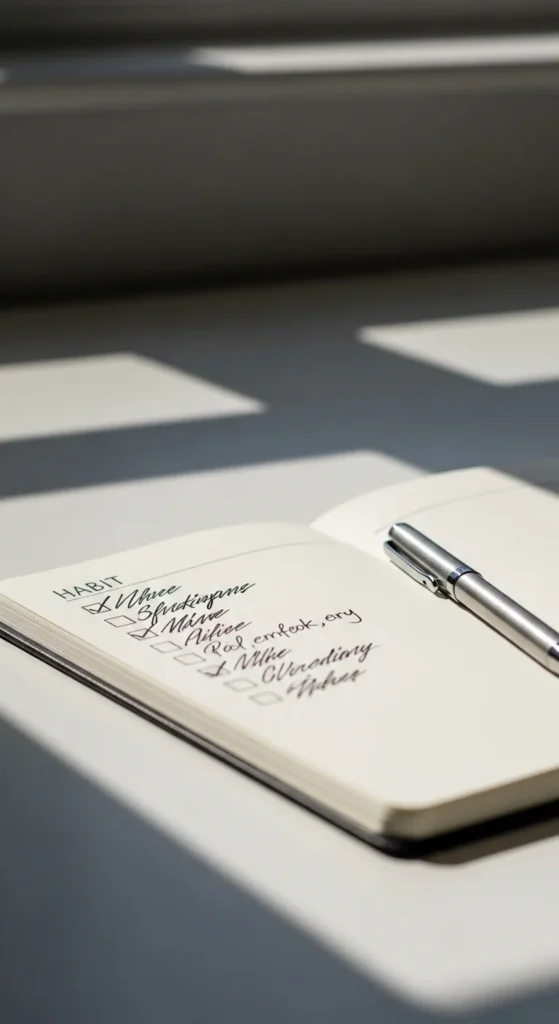
Pick one habit you are working on. Write what helped today and what made it harder.
This keeps habit building realistic. It focuses on small adjustments.
Entries stay short. One or two sentences.
Budget idea: draw checkboxes manually.
Habit reflections reveal patterns quickly. You learn what actually works.
This idea supports consistency without complicated tracking systems.
27. Voice-to-Text Journal Pages

]
Speak your thoughts into your phone. Later, write key lines in your journal.
Voice journaling removes writing friction. It feels natural and quick.
This works well on busy days or while walking.
Budget tip: free phone voice apps are enough.
Summarizing voice notes keeps entries short and meaningful.
This method supports consistency when typing or writing feels tiring.
28. Decision Clarity Pages
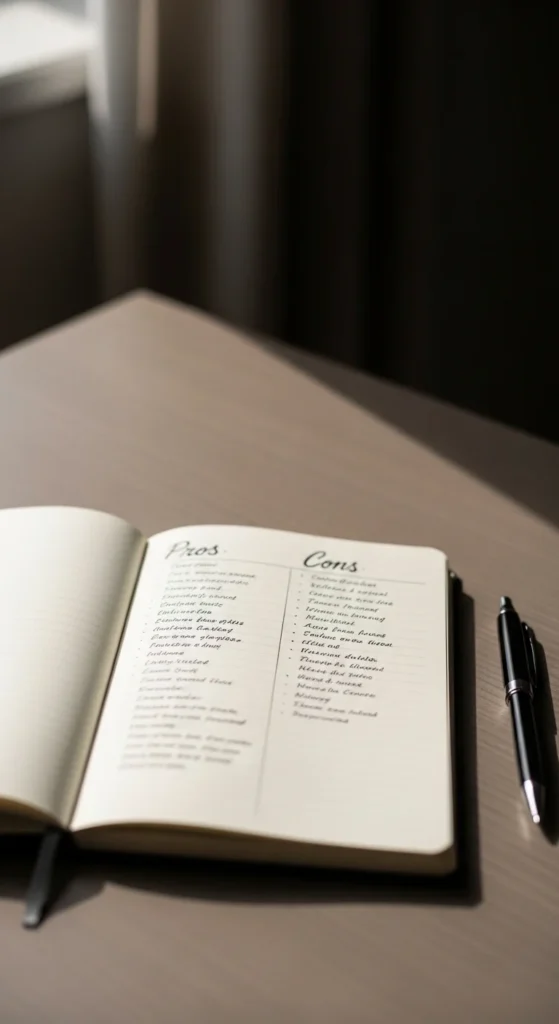
Write a decision at the top. Create two columns. Pros and possibilities.
This idea turns journaling into thinking support. It slows rushed choices.
Keep lists short. Focus on what matters most.
Budget tip: reuse the same layout repeatedly.
Decision pages reduce mental noise. Writing makes thoughts visible.
Over time, you trust your decision process more.
29. Slow Moment Pages

Capture one quiet moment from your day. Describe it simply.
Slow moment journaling builds awareness. It highlights ordinary beauty.
Entries can be very short. One paragraph or even three lines.
Budget tip: combine with sensory journaling for variety.
These pages create calm memories. They balance busy life documentation.
Over time, slow moments become the most meaningful pages.
30. Monthly Reflection Snapshot
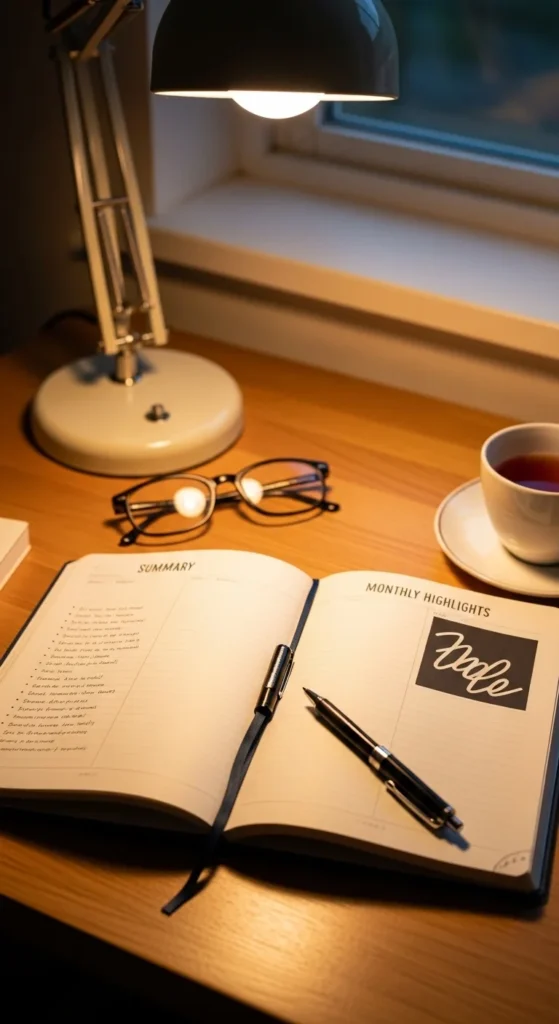
At the end of the month, write highlights, lessons, and one focus for next month.
Monthly snapshots keep journaling purposeful. They connect daily entries.
Use bullet lists. Long writing is not required.
Budget idea: dedicate one page per month in any notebook.
Reading past monthly pages shows growth clearly. It creates a personal timeline.
This idea keeps journaling consistent long term. It reminds you that small daily writing adds up.
Conclusion
Daily journaling becomes easier when ideas stay simple and flexible. Short prompts remove pressure. Repetition builds consistency. Use cheap notebooks, small time blocks, and realistic expectations. Pick one idea and start today. Writing a few lines regularly creates clarity, awareness, and a strong personal record over time.